In today’s publishing landscape, a writer’s job doesn’t end with crafting compelling stories. Authors—especially self-published and indie—must navigate marketing, audience engagement, and distribution to build sustainable careers. Among the many tools now available to authors, a print and mail API stands out as a transformative technology for managing printed promotional efforts.
In this comprehensive guide, we explore how authors can harness a print and mail API to optimize their marketing, automate distribution, and deepen reader relationships. Whether you’re mailing promotional postcards, thank-you notes, or signed copies, this technology enables professional fulfillment without sacrificing your creative time.
What Is a Print and Mail API?
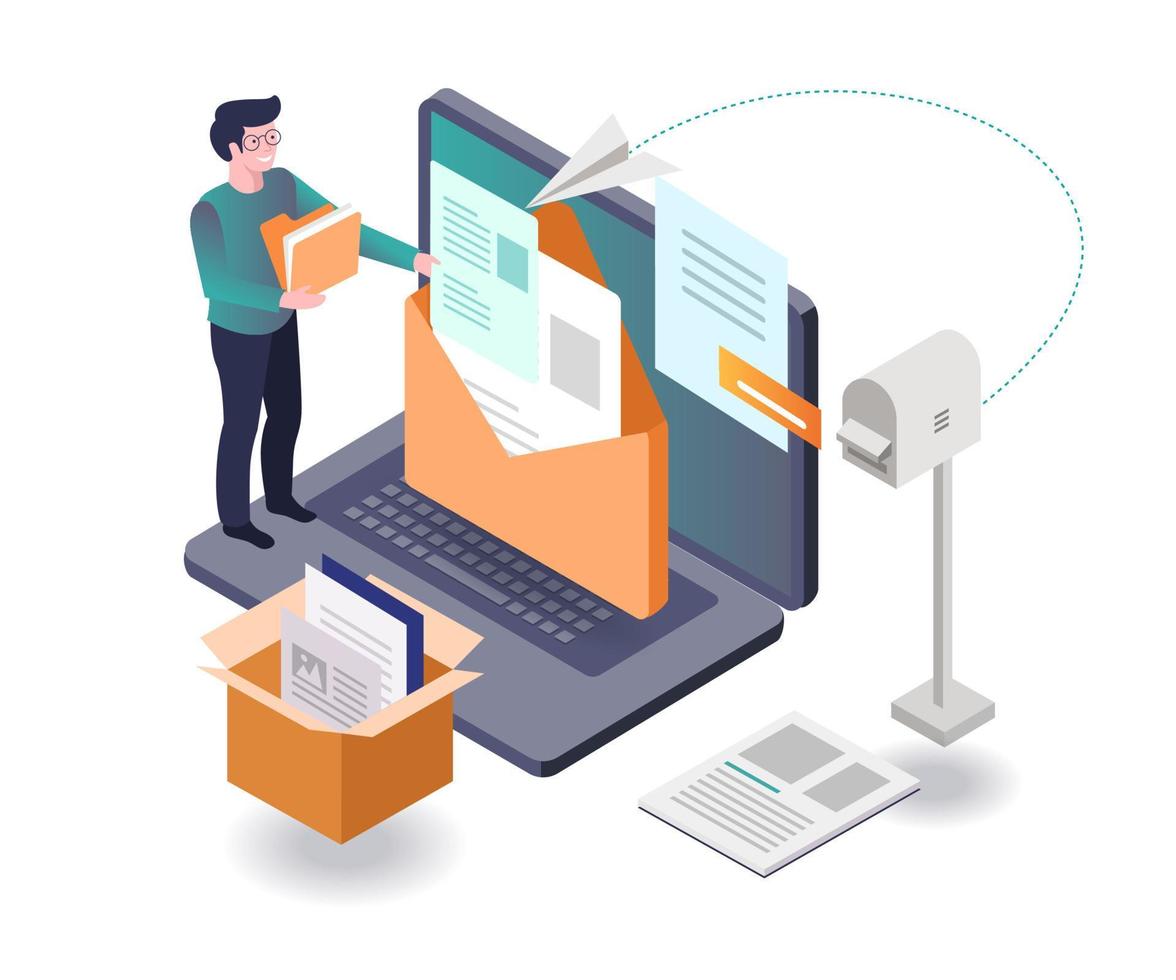
A print and mail API (Application Programming Interface) is software that connects your digital tools (websites, CRMs, stores) with a physical printing and mailing service. It automates the workflow from design to doorstep, enabling real-time fulfillment of printed materials.
Features and Capabilities
- Upload designs (postcards, letters, books)
- Auto-fill mailing addresses from your list
- Batch send or trigger mail by user action
- Track delivery and engagement metrics
The Challenges Writers Face in Marketing
Time Constraints
Writing, editing, and maintaining visibility requires enormous energy. Manual mailouts drain time that could be better spent creating.
Limited Resources
Not every author has access to professional designers or fulfillment teams. DIY mail marketing can be overwhelming.
Global Audiences
Today’s readers come from around the world. Coordinating international shipping is often impractical.
A print and mail API solves these problems with automation, scale, and reach.
Why Writers Should Use Print and Mail APIs
Automate Physical Marketing
Send real-world items like:
- Book launch announcements
- Holiday cards
- Chapter samplers
- Discount codes or invites
Triggered automatically by reader actions such as:
- Newsletter signup
- Store purchase
- Contest entry
Save Time and Eliminate Busywork
Say goodbye to:
- Handwriting envelopes
- Printing at home
- Queuing at the post office
Your API handles it, while you stay focused on writing.
Scale Audience Outreach
Whether your list has 10 or 10,000 fans, APIs process volume mailings with consistent quality.
Reach Beyond Email
Email inboxes are crowded. Physical mail cuts through the noise, earns attention, and builds loyalty.
Personalize at Scale
Use variables in your content like:
- First name
- Favorite book genre
- Recent purchase
Custom messages feel thoughtful and tailored.
Campaign Types Writers Can Automate
1. Book Pre-Order Promotions
Create urgency and reward early supporters with:
- Printed thank-you cards
- Exclusive sneak peek chapters
- Signed bookplates
Automatically triggered after order confirmation.
2. New Release Announcements
Mail professionally printed flyers or postcards to readers and influencers:
- Highlight blurbs and reviews
- Include QR code to buy now
- Track clicks via unique short URLs
3. Event Invitations
Promote in-person or virtual events with tangible reminders:
- Launch parties
- Book tours
- Online signings or webinars
Mailing these makes the invite more memorable.
4. Fan Appreciation Campaigns
Surprise loyal readers with:
- Birthday greetings
- Thank-you notes
- Collector bookmarks
- Personalized author letters
Build emotional connection and goodwill.
5. Subscription Bonuses
Offer premium subscribers exclusive physical content:
- Art prints
- Short stories
- Signed merchandise
Boosts subscriber value and retention.
Setting Up a Print and Mail API for Your Writing Business
Step 1: Choose the Right Provider
Look for:
- Good API documentation
- Global printing and mailing
- Integration with your platforms
- Custom templates and automation options
Popular platforms include:
- Lob
- Click2Mail
- PostGrid
- Postalytics
Step 2: Design Branded Templates
Maintain brand cohesion by designing:
- Letterheads with your author logo
- Genre-matching colors and fonts
- Personalized message placeholders
Use tools like Canva, Figma, or Adobe InDesign to create professional layouts.
Step 3: Connect to Your Marketing Tools
Integrate with:
- Mailchimp, ConvertKit (email)
- Shopify, WooCommerce (e-commerce)
- Airtable, Google Sheets (data management)
- Zapier (workflow automation)
Step 4: Define Trigger Points
Set automatic rules such as:
- “If reader buys Book X, mail postcard Y”
- “If fan signs up for newsletter, send welcome letter”
- “If backer pledges $50, ship signed copy”
Step 5: Test and Launch
Mail samples to yourself or a small group:
- Review print quality and design
- Verify delivery time
- Collect feedback
Refine before a full-scale launch.
Cost Considerations for Writers
Pay-As-You-Go Model
Most platforms charge per item mailed, covering:
- Print cost (based on size and quality)
- Envelope or packaging
- Postage (domestic/international)
Subscription Tiers
Some offer monthly plans with perks:
- Reduced print rates
- Advanced analytics
- Priority support
ROI Perspective
Balance costs with benefits:
- Higher reader engagement
- Increased pre-orders or sales
- Brand credibility and recall
Compare to ad spend or merchandise production.
Real-Life Success Stories
Fiction Author Turns Pre-Orders Into Buzz
An indie author offered a free signed art print for every pre-order, auto-mailed via API. Results:
- Pre-order target hit 3x goal
- Fans shared mail on social media
- Mailing costs covered by sales surge
Nonfiction Writer Uses Postcards to Drive Email Growth
Printed postcards with QR codes sent to attendees of a conference. Each card offered a free bonus chapter. Impact:
- Email list doubled in a month
- High open and engagement rates
- Speaking invites followed
Memoirist Enhances Backer Rewards
During a Kickstarter campaign, backers received hand-signed thank-you letters sent via print and mail API:
- Strengthened emotional bond
- Backers upgraded tiers
- Testimonials generated for website
The Psychology Behind Physical Mail
Tangibility Increases Trust
Printed material feels more real than digital content, and increases emotional investment.
Keepsakes vs Clutter
Fans are more likely to keep personalized or aesthetic mail, especially if:
- It’s well-designed
- Includes a message from you
- Feels like a collector item
Higher Open Rates
Mail has a 90%+ open rate compared to 20-25% for email. People check their mailboxes regularly and appreciate personal correspondence.
Sustainable Mailing Practices
Authors concerned about environmental impact can:
- Choose providers with eco-friendly paper
- Offset carbon emissions
- Print regionally to reduce transportation
Communicate your choices transparently to readers who value sustainability.
Merging Physical and Digital Strategies
QR Codes and NFC Tags
Enhance physical mail with interactive features:
- Book trailers
- Author welcome videos
- Audiobook samplers
Hybrid Funnels
Example:
- Instagram ad to sign-up form
- Form triggers print and mail API
- Mailed teaser chapter includes QR to buy full book
Result: Higher conversion and memorable experience.
Key Metrics to Track
Mailing Campaign KPIs
- Items delivered
- Delivery success rate
- Mail return rate
Engagement Metrics
- URL clicks
- Email signups from mail
- Repeat purchases
ROI Calculation
Formula: (Revenue – Mailing Cost) / Mailing Cost
Adjust campaigns based on what works best.
Best Practices for Writers
Personalize Where Possible
Use the reader’s name or favorite genre to make mail feel thoughtful.
Keep Messaging Clear and Concise
Use short headlines, compelling blurbs, and clear calls to action.
Use High-Quality Visuals
Professional photos, covers, and typography improve perceived value.
Be Consistent
Mailing once isn’t enough. Plan seasonal or launch-based campaigns.
Respect Privacy
Only mail readers who opt in. Maintain clear terms and easy opt-outs.
Future Innovations in Print and Mail API
Smart Timing Algorithms
APIs may soon optimize mail timing based on recipient activity or geography.
Personalized Print AI
AI tools could design individualized content based on reader profiles.
Blockchain for Signed Editions
Use secure tags to verify limited-edition authenticity.
AR and VR Integration
Interactive postcards that launch immersive scenes or 3D content.
Final Thoughts: Bridging the Digital and Tangible
A print and mail API empowers writers to blend the best of digital convenience and real-world connection. It’s more than a fulfillment tool—it’s a creative extension of your author brand.
You gain:
- Marketing power without burnout
- Deeper, tactile reader engagement
- Scalable distribution without logistics headaches
For writers ready to grow their presence and fan relationships, print automation is a secret weapon hiding in plain sight.
Let your words travel beyond the screen. Put them into your reader’s hands—literally.
Create. Connect. Mail with purpose.